Over the weekend, one of the most significant news stories was the temporary ban of TikTok in the United States, a move that had been anticipated following a congressional act labeling it a "foreign adversary controlled application." The ban took effect on Sunday, only to be quickly reversed after President-elect Donald Trump pledged to restore the service. ByteDance, TikTok's parent company, swiftly reinstated the app, but the same cannot be said for other ByteDance applications.
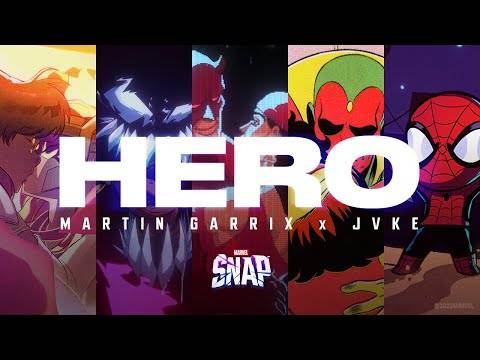
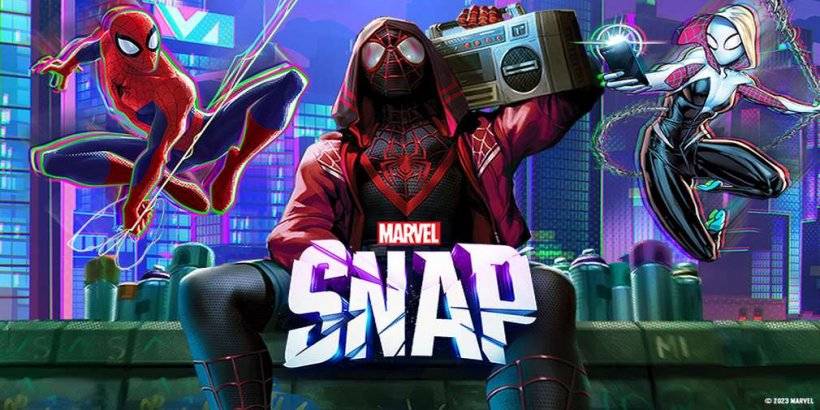
Among the affected apps was Marvel Snap, the popular comic-themed card battler developed by Second Dinner. Alongside other ByteDance subsidiaries like Moonton’s Mobile Legends: Bang Bang, Marvel Snap was pulled from service in the U.S., displaying a message about being banned. This action underscored ByteDance's stance: accept all their offerings or receive none.
Second Dinner, seemingly caught off-guard by the ban, has been actively managing the fallout on social media. They've promised a swift return of Marvel Snap to service and are offering lucrative in-game rewards to compensate for the downtime. Despite the assurances, this incident raises serious concerns about ByteDance's priorities and its impact on their partners.
ByteDance's move to ban TikTok and then highlight Trump as its potential savior was likely a calculated strategy to generate buzz and secure a dramatic return. While this tactic worked for TikTok, it left other ByteDance ventures, including gaming, in the lurch. This political maneuver has likely shaken the confidence of developers like Second Dinner, who may feel that ByteDance prioritizes its social media platform over its gaming division.
ByteDance's history of sidelining gaming in favor of social media is not new. In 2023, the company laid off hundreds from its gaming division, canceling numerous projects. Although partnerships like the one with Marvel Snap seemed to signal a new approach, this recent incident might make other developers wary of future collaborations with ByteDance, especially given the potential for political entanglements.
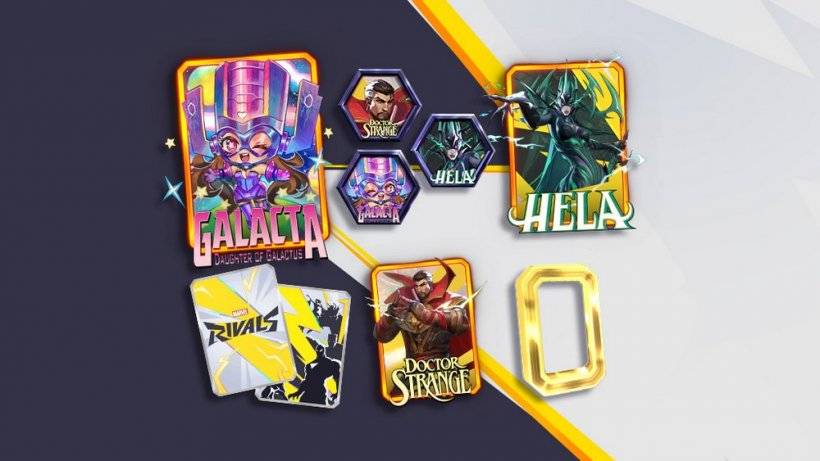
The ripple effects extend beyond ByteDance. Disney, which recently saw a surge in relevance with NetEase’s Marvel Rivals and a mobile crossover, might also be concerned. The broader gaming industry could be next in line for scrutiny, with companies like Tencent and NetEase potentially facing similar challenges. The FTC's recent focus on MiHoYo's loot boxes hints at increasing regulatory pressure on the gaming sector.
The temporary ban of Marvel Snap brought unexpected attention from those indifferent to TikTok, highlighting the broader implications of using gaming as a political pawn. ByteDance's strategy, though successful in reinstating TikTok, sets a troubling precedent. As gaming becomes increasingly subject to political whims, the industry and its enthusiasts may face uncertainty and potential disruption.