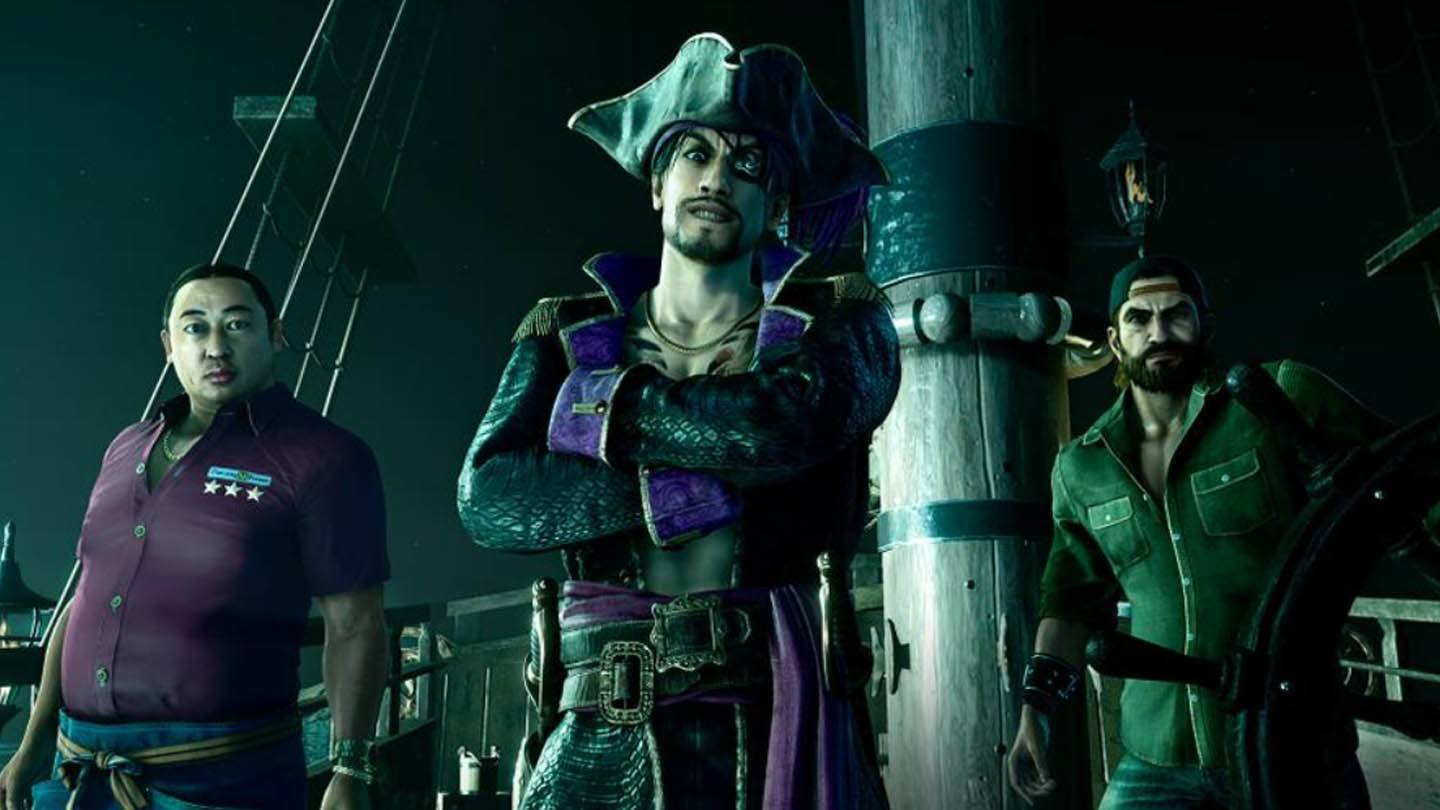
The latest installment in the cherished Yakuza series, *Like a Dragon: Pirate's Yakuza in Hawaii*, has received widespread acclaim from gaming publications worldwide. This game not only builds on the franchise's well-known charm, humor, and engaging combat mechanics but also introduces innovative elements that have enthralled both long-time fans and newcomers. However, as with any ambitious project, it has also sparked mixed reactions on certain aspects.
One of the key factors contributing to the game's success is its imaginative setting. By relocating the story to a tropical paradise teeming with pirates, the developers at Ryu Ga Gotoku Studio have created an experience that feels distinctly different from previous entries. The game's vibrant art direction, combined with its humorous dialogue and over-the-top scenarios, fosters a playful ambiance that perfectly complements the narrative. Players have particularly lauded the meticulous attention to detail in recreating the Hawaiian setting, which makes it feel like a dynamic, living world full of surprises.
Combat continues to be a standout feature of the game, skillfully merging turn-based strategy with real-time action in novel ways. The introduction of pirate-themed battles brings new mechanics like ship-to-ship combat and treasure hunting, which add diversity to the gameplay. Critics have praised how these additions boost replayability while preserving the series' signature balance between depth and accessibility.
On the storytelling side, the game excels with its well-crafted characters and emotionally charged narrative. Ichiban Kamuro and his crew tackle new challenges that test their relationships and personal growth, providing moments of laughter, tension, and poignant reflection. However, some critics have noted that certain plot points may come across as predictable or too reliant on familiar tropes, though this is offset by the series' characteristic wit and charm.
Despite its many strengths, *Like a Dragon: Pirate's Yakuza in Hawaii* is not without its flaws. Performance issues on lower-end hardware have been reported, along with occasional bugs that can break immersion. Additionally, while the open-world design offers ample exploration opportunities, some players may find certain activities repetitive or less refined compared to other AAA titles.
Overall, the game stands as a robust addition to the Yakuza universe, masterfully blending innovation with tradition. Fans of the series will relish the continuation of beloved themes and mechanics, while newcomers will find an inviting entry point into one of gaming's most unique franchises. With its high energy, captivating gameplay, and unforgettable characters, *Like a Dragon: Pirate's Yakuza in Hawaii* reaffirms the enduring appeal of the Yakuza series.